
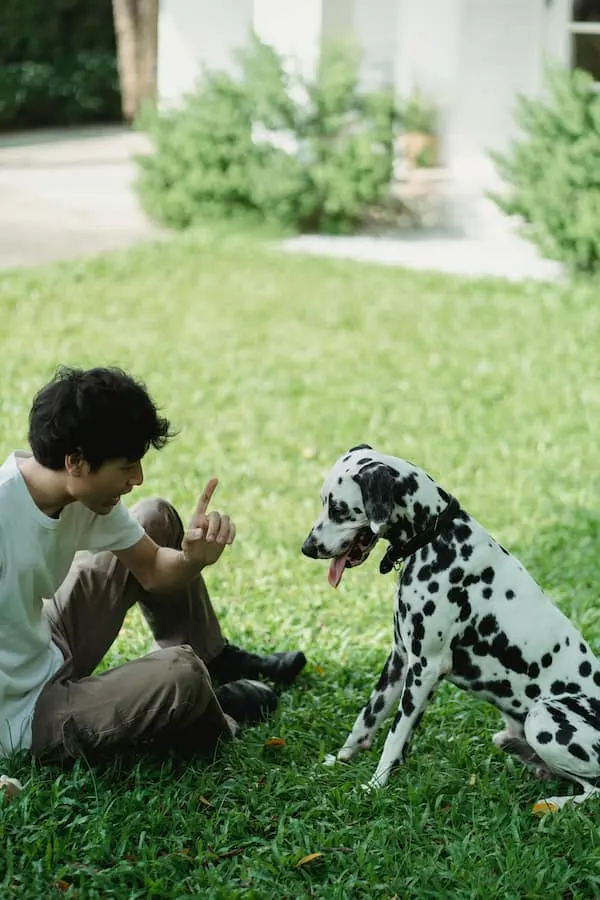
How to Teach Your Dog to Come When Called: Complete Training Guide
Learn professional and effective techniques to ensure your dog reliably comes when called. Complete step-by-step guide for responsible owners.
Teaching a dog to come when called is one of the most important and useful skills for both the animal’s safety and the owner’s peace of mind. Recall requires patience, consistency, and positive reinforcement techniques. Good training strengthens the bond between dog and owner and prevents accidents or behavioral problems.
Why is teaching recall important?
Teaching a dog to come when called is not just about obedience—it’s about safety. A reliably responding dog can avoid dangerous situations such as crossing busy streets, approaching aggressive dogs, or wandering away from home. Good recall also allows more relaxed walks, reduces owner stress, and strengthens a trust-based relationship. Recall is the foundation for advanced behaviors and harmonious cohabitation with your dog.
Preparing the environment and equipment
Before starting, ensure a safe, controlled environment free of strong distractions. Useful items include:
1. Long leash or training line to allow freedom while maintaining control.
2. High-value treats, small and highly appealing to your dog.
3. Optional clicker to reinforce behavior with a clear signal.
4. Safe spaces such as enclosed gardens or private parks for initial sessions.
A suitable environment facilitates learning, reduces frustration, and increases the dog’s motivation.
1. Long leash or training line to allow freedom while maintaining control.
2. High-value treats, small and highly appealing to your dog.
3. Optional clicker to reinforce behavior with a clear signal.
4. Safe spaces such as enclosed gardens or private parks for initial sessions.
A suitable environment facilitates learning, reduces frustration, and increases the dog’s motivation.
Choosing the right recall word
Always use the same word or sound to call your dog, such as “Come!” or “Here!”. The word should be short, clear, and cheerful. Never use the recall word to scold, as this creates negative associations. Consistency is crucial so your dog understands that coming when called is always positive. An enthusiastic tone increases motivation and quick response.
Positive reinforcement techniques
Positive reinforcement is the most powerful tool to teach recall. Effective techniques include:
- Immediate rewards: give a treat the moment the dog reaches you.
- Play: some dogs respond better if the reward is a brief game, such as fetching a toy.
- Verbal praise and petting: reinforce positive experience and strengthen the emotional bond.
Never punish the dog for mistakes or slow response; focus on motivation and reward.
- Immediate rewards: give a treat the moment the dog reaches you.
- Play: some dogs respond better if the reward is a brief game, such as fetching a toy.
- Verbal praise and petting: reinforce positive experience and strengthen the emotional bond.
Never punish the dog for mistakes or slow response; focus on motivation and reward.
Step-by-step exercises
1. Short sessions: 5–10 minutes, several times a day, to maintain attention and avoid fatigue.
2. Start with short distance: call the dog from 1–2 meters and increase gradually.
3. Change positions: do not always call from the same spot; this teaches the dog to respond from any location.
4. Use a long leash: allows safe distance practice.
5. Avoid punishment: never scold the dog if slow to respond.
6. Consistent repetition: practice multiple times a day, reinforcing correct behavior and keeping motivation high.
2. Start with short distance: call the dog from 1–2 meters and increase gradually.
3. Change positions: do not always call from the same spot; this teaches the dog to respond from any location.
4. Use a long leash: allows safe distance practice.
5. Avoid punishment: never scold the dog if slow to respond.
6. Consistent repetition: practice multiple times a day, reinforcing correct behavior and keeping motivation high.
Reinforcing recall outdoors
Once the dog responds well at home or in a controlled environment, practice in places with more distractions:
- Keep the long leash for safety.
- Gradually increase distractions: other dogs, people, noises.
- Always reward correct response, even if slightly delayed.
- Short sessions maintain attention and motivation.
This step is essential for learning to respond in real-life situations, not just controlled settings.
- Keep the long leash for safety.
- Gradually increase distractions: other dogs, people, noises.
- Always reward correct response, even if slightly delayed.
- Short sessions maintain attention and motivation.
This step is essential for learning to respond in real-life situations, not just controlled settings.
Common problems and solutions
Common issues include:
- Ignoring the recall: improve motivation with more attractive treats and enthusiastic tone.
- Slow response: reinforce speed with immediate praise and brief games.
- Negative associations: never punish for coming late, as it destroys trust.
- Distractions: practice gradually, increasing difficulty without overloading the dog.
Patience and consistency are key for effective recall.
- Ignoring the recall: improve motivation with more attractive treats and enthusiastic tone.
- Slow response: reinforce speed with immediate praise and brief games.
- Negative associations: never punish for coming late, as it destroys trust.
- Distractions: practice gradually, increasing difficulty without overloading the dog.
Patience and consistency are key for effective recall.
Long-term benefits
A dog that reliably comes when called develops self-control, enjoys more freedom and safety during walks, and strengthens the relationship with its owner. Recall also forms the foundation for advanced behaviors and obedience skills, improves communication, and builds mutual trust. Daily practice and consistency make recall a reliable tool for the dog’s safety and well-being.