
How to Correct Aggression in Dogs: Complete Canine Behavior Guide
Learn how to correct aggression in dogs using professional positive reinforcement and behavior modification techniques. Complete guide for responsible owners.
Aggression in dogs is a behavior that concerns many owners and can affect family life, other pets, and interactions with their environment. Understanding its causes and managing it professionally is essential for a balanced and safe dog.
What is aggression in dogs and how does it manifest?
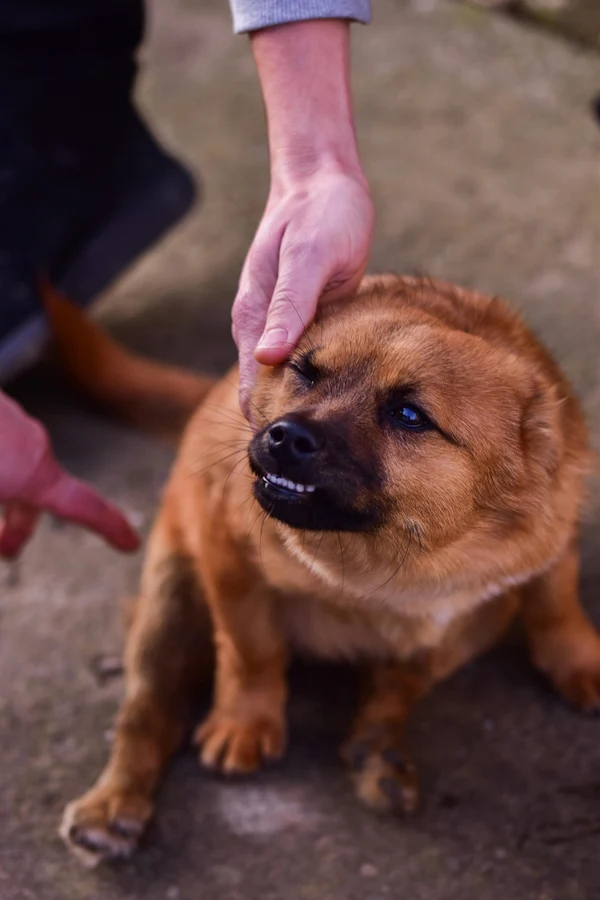
Aggression in dogs is not always shown through bites or attacks. It can manifest as growling, intense barking, body tension, ears back, fixed gaze, and defensive or territorial behavior. Recognizing early signs is essential to intervene before escalation. Aggression may arise from fear, frustration, resource protection, pain, or genetic/socialization issues. Each dog is unique, so understanding its personality and context is key to addressing the problem correctly.
Common causes of aggression
Canine aggression can have multiple causes:
- Fear and anxiety: a dog that feels threatened may react defensively.
- Resource guarding: food, toys, or territory can trigger aggressive behavior.
- Pain or illness: dogs in chronic pain may become irritable or reactive.
- Lack of socialization: dogs without adequate contact with other animals or people may act hostile.
- Traumatic experiences: past negative situations may leave fear or distrust.
Identifying the cause is the first step in applying effective and safe strategies.
- Fear and anxiety: a dog that feels threatened may react defensively.
- Resource guarding: food, toys, or territory can trigger aggressive behavior.
- Pain or illness: dogs in chronic pain may become irritable or reactive.
- Lack of socialization: dogs without adequate contact with other animals or people may act hostile.
- Traumatic experiences: past negative situations may leave fear or distrust.
Identifying the cause is the first step in applying effective and safe strategies.
Types of aggression
There are different types of aggression, each with specific characteristics:
- Fear aggression: triggered by stimuli the dog perceives as threats, often with tension and avoidance signals.
- Territorial aggression: aimed at protecting home, space, or people.
- Dominance aggression: attempts to establish control over other dogs or people, less common than often assumed.
- Frustration aggression: occurs when the dog wants something but cannot obtain it, leading to impulsive behavior.
Understanding the type of aggression helps select the most suitable behavior modification technique.
- Fear aggression: triggered by stimuli the dog perceives as threats, often with tension and avoidance signals.
- Territorial aggression: aimed at protecting home, space, or people.
- Dominance aggression: attempts to establish control over other dogs or people, less common than often assumed.
- Frustration aggression: occurs when the dog wants something but cannot obtain it, leading to impulsive behavior.
Understanding the type of aggression helps select the most suitable behavior modification technique.
Warning signs and prevention
Detecting aggression before incidents is crucial. Warning signs include: stiff body, prolonged barking, directed growling, ears back, rigid or tucked tail, staring, and facial tension. Preventing conflict situations, avoiding confrontations, and supervising interactions with other animals and people reduces the risk of incidents. Prevention is always more effective than correcting established aggressive behavior.
Professional strategies to correct aggression
Correcting aggression should be based on respectful and safe methods:
- Positive reinforcement: rewarding calm and relaxed behavior helps replace aggression.
- Desensitization: gradually expose the dog to stimuli that trigger aggression, keeping distance and intensity manageable.
- Counterconditioning: associate triggers of aggression with positive experiences like treats or praise.
- Environmental control: avoid risky situations until the dog learns appropriate reactions.
- Professional guidance: in severe cases, a certified trainer or ethologist can design a personalized plan.
These techniques aim to change the dog’s perception and encourage calmness, avoiding punishment that can worsen behavior.
- Positive reinforcement: rewarding calm and relaxed behavior helps replace aggression.
- Desensitization: gradually expose the dog to stimuli that trigger aggression, keeping distance and intensity manageable.
- Counterconditioning: associate triggers of aggression with positive experiences like treats or praise.
- Environmental control: avoid risky situations until the dog learns appropriate reactions.
- Professional guidance: in severe cases, a certified trainer or ethologist can design a personalized plan.
These techniques aim to change the dog’s perception and encourage calmness, avoiding punishment that can worsen behavior.
Common mistakes that worsen aggression
Many owners make mistakes when trying to correct aggression:
- Punishing or yelling: increases fear and anxiety, intensifying aggression.
- Forcing interactions: compelling the dog to socialize may cause trauma.
- Inconsistency: changing methods or rules confuses the dog and delays learning.
- Ignoring warning signs: waiting for it to “pass on its own” may lead to serious incidents.
Avoiding these mistakes is essential for safe and effective behavior change.
- Punishing or yelling: increases fear and anxiety, intensifying aggression.
- Forcing interactions: compelling the dog to socialize may cause trauma.
- Inconsistency: changing methods or rules confuses the dog and delays learning.
- Ignoring warning signs: waiting for it to “pass on its own” may lead to serious incidents.
Avoiding these mistakes is essential for safe and effective behavior change.
Strengthening the bond and trust
Working on aggression not only corrects a problem but also strengthens the relationship between dog and owner. Maintaining routines, clear communication, positive reinforcement, and respecting the dog’s limits builds trust and security. A confident and balanced dog responds better to stimuli and is more receptive to training. Patience and consistency are key for long-lasting changes.
Conclusion: a safe and professional approach
Correcting aggression in dogs requires understanding, patience, and professional techniques based on positive reinforcement. Every dog is unique, so a personalized approach is crucial. Identifying causes, recognizing warning signs, preventing conflicts, and applying safe behavior modification strategies allow for a balanced, confident, and socially appropriate dog, improving coexistence and strengthening the bond with its owner.