
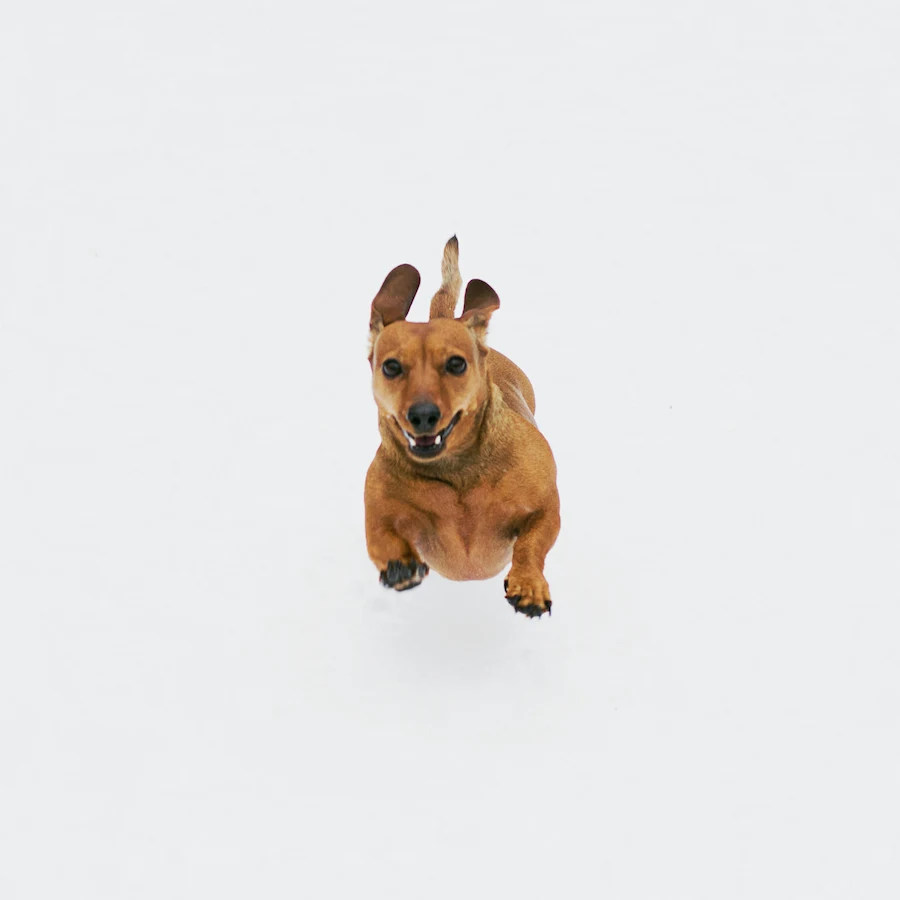
How to Prevent Your Dog from Jumping on Visitors: Complete Canine Training Guide
Learn how to prevent your dog from jumping on visitors using training techniques, positive reinforcement, and proper behavior management, ensuring a safe and respectful home environment.
When a dog jumps on visitors, it can be frustrating and sometimes embarrassing. However, this behavior is common and has effective solutions based on understanding behavior, training, and positive reinforcement.
Why dogs jump on visitors
Jumping on visitors is a natural behavior with several causes:
- Excitement and joy: dogs often jump as an expression of excitement upon seeing someone.
- Social greeting: in canine language, jumping can be a way to show submission or enthusiasm.
- Attention-seeking: some dogs learn that jumping triggers immediate interaction, like petting or verbal attention.
- Lack of clear boundaries: dogs that have not learned basic household rules may develop habitual jumping.
Understanding the motivation behind the jump is essential to apply the correct correction and prevention strategy.
- Excitement and joy: dogs often jump as an expression of excitement upon seeing someone.
- Social greeting: in canine language, jumping can be a way to show submission or enthusiasm.
- Attention-seeking: some dogs learn that jumping triggers immediate interaction, like petting or verbal attention.
- Lack of clear boundaries: dogs that have not learned basic household rules may develop habitual jumping.
Understanding the motivation behind the jump is essential to apply the correct correction and prevention strategy.
Body language and warning signs
Observing the dog’s signals before it jumps helps anticipate and prevent the behavior. Some signs include:
- Exaggerated tail movements and general excitement.
- Rigid posture and anticipation of the person approaching.
- Vocalizations such as short barks or whining.
Interpreting these signals allows the owner to intervene calmly and consistently before the jump occurs.
- Exaggerated tail movements and general excitement.
- Rigid posture and anticipation of the person approaching.
- Vocalizations such as short barks or whining.
Interpreting these signals allows the owner to intervene calmly and consistently before the jump occurs.
Early socialization for prevention
For puppies, early socialization is key. Introducing the puppy to different people, ages, and situations in a controlled manner teaches them to remain calm when visitors arrive. Gradual exposure, combined with positive reinforcement for keeping all four paws on the floor, establishes good habits from the start, reducing the need for correction in adulthood.
Establishing boundaries and clear rules
Dogs need to understand which behaviors are acceptable. To prevent jumping on visitors:
- Teach them to wait in a designated spot (bed, mat, rest area) when people arrive.
- Maintain consistency among all family members: no one should reinforce jumping with petting or attention.
- Use clear commands such as “stay” or “down” accompanied by positive reinforcement.
Consistency in rule application ensures the dog correctly associates the behavior with consequences.
- Teach them to wait in a designated spot (bed, mat, rest area) when people arrive.
- Maintain consistency among all family members: no one should reinforce jumping with petting or attention.
- Use clear commands such as “stay” or “down” accompanied by positive reinforcement.
Consistency in rule application ensures the dog correctly associates the behavior with consequences.
Training techniques and positive reinforcement
Positive reinforcement is essential. Effective strategies include:
- Rewarding the dog when it approaches visitors without jumping.
- Using treats, verbal praise, and petting as immediate rewards.
- Self-control training exercises: keeping the dog seated or in its place until given permission to approach.
- Practicing simulated frequent visits to generalize the behavior.
Avoiding physical punishment or shouting prevents anxiety and reinforces trust in the owner.
- Rewarding the dog when it approaches visitors without jumping.
- Using treats, verbal praise, and petting as immediate rewards.
- Self-control training exercises: keeping the dog seated or in its place until given permission to approach.
- Practicing simulated frequent visits to generalize the behavior.
Avoiding physical punishment or shouting prevents anxiety and reinforces trust in the owner.
Managing adult dogs with jumping habits
In adult dogs, modifying an established behavior requires patience. Recommended strategies:
- Immediately reinforce any approach without jumping.
- Redirect behavior: teach an alternative greeting, like “shake paw” or “sit” before receiving attention.
- Temporarily limit visitor access until the dog understands the rule.
- Maintain short, frequent practice sessions in real-life situations to consolidate learning.
- Immediately reinforce any approach without jumping.
- Redirect behavior: teach an alternative greeting, like “shake paw” or “sit” before receiving attention.
- Temporarily limit visitor access until the dog understands the rule.
- Maintain short, frequent practice sessions in real-life situations to consolidate learning.
Special situations: unexpected or frequent visitors
When visitors are unexpected or very frequent, it is important to prepare the dog to minimize excitement:
- Keep the dog in a safe, calm area while the visitor arrives.
- Use physical barriers if necessary to control access.
- Reinforce correct behavior by allowing interaction only if all four paws remain on the floor.
- Gradually increase exposure so the dog learns to anticipate visitors without jumping.
- Keep the dog in a safe, calm area while the visitor arrives.
- Use physical barriers if necessary to control access.
- Reinforce correct behavior by allowing interaction only if all four paws remain on the floor.
- Gradually increase exposure so the dog learns to anticipate visitors without jumping.
Benefits of consistent training
Correcting jumping on visitors improves coexistence, protects guests, and reduces stress for the dog. It also strengthens the relationship between owner and pet, promoting mutual respect and effective communication. Dogs that learn clear boundaries and self-control enjoy social interaction more and develop positive habits at home.