
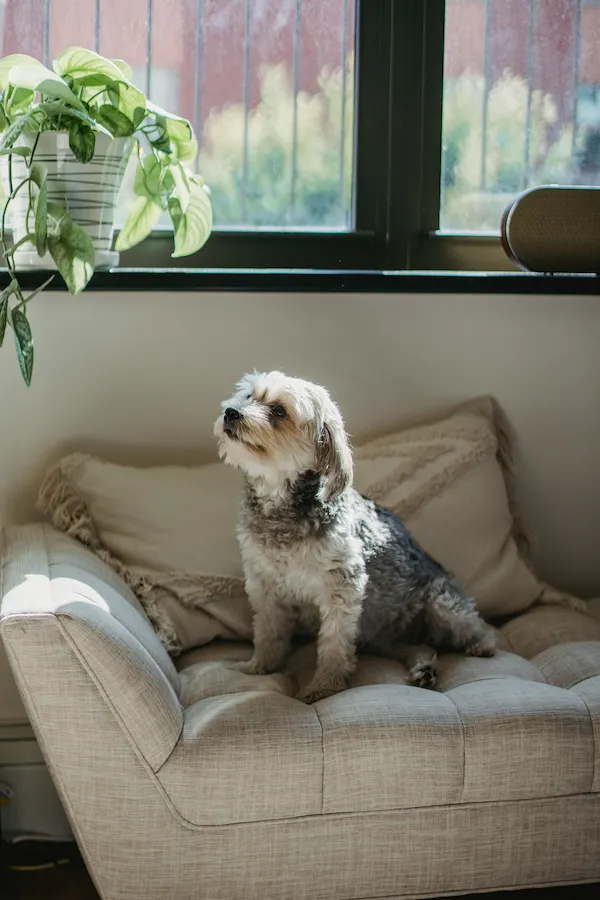
How to Teach Your Dog to Stay Alone: Complete Guide to Prevent Separation Anxiety
Learn how to teach your dog to stay alone without anxiety using gradual training, positive reinforcement, and enrichment strategies, improving household harmony and tranquility.
Teaching a dog to stay alone is a common challenge for many owners, especially young or highly attached dogs. Separation anxiety can lead to excessive barking, destruction of objects, or stress behaviors, affecting coexistence and the animal’s well-being.
Understanding separation anxiety in dogs
Not all dogs react the same to being alone. Separation anxiety is a behavioral disorder where the dog becomes stressed when the owner is absent. Common signs include:
- Persistent barking or howling.
- Destruction of objects or furniture.
- Inappropriate elimination indoors.
- Obsessive behaviors such as door-pacing or tail-biting.
Understanding this condition is the first step to applying effective strategies and ensuring the dog can be alone safely and calmly.
- Persistent barking or howling.
- Destruction of objects or furniture.
- Inappropriate elimination indoors.
- Obsessive behaviors such as door-pacing or tail-biting.
Understanding this condition is the first step to applying effective strategies and ensuring the dog can be alone safely and calmly.
Signs of stress and alert
Before starting any training, it is essential to identify stress signals:
- Rapid breathing or excessive panting.
- Tense or crouched posture.
- Constant vocalizations.
- Repetitive or destructive behaviors.
Detecting these signs allows for preventive action and proper desensitization techniques, preventing anxiety from intensifying.
- Rapid breathing or excessive panting.
- Tense or crouched posture.
- Constant vocalizations.
- Repetitive or destructive behaviors.
Detecting these signs allows for preventive action and proper desensitization techniques, preventing anxiety from intensifying.
Preparing the environment
Creating a safe and engaging environment is key for the dog to feel comfortable alone. Recommendations include:
- Designate a specific area, such as a room or space with its bed and favorite toys.
- Use soft barriers or doors to limit access without causing confinement stress.
- Provide enrichment toys like chew toys or food dispensers to occupy the mind.
- Ensure the area is quiet and free from noises that could increase anxiety.
A properly prepared environment reduces stress and facilitates independence learning.
- Designate a specific area, such as a room or space with its bed and favorite toys.
- Use soft barriers or doors to limit access without causing confinement stress.
- Provide enrichment toys like chew toys or food dispensers to occupy the mind.
- Ensure the area is quiet and free from noises that could increase anxiety.
A properly prepared environment reduces stress and facilitates independence learning.
Gradual training and desensitization
Gradual desensitization is the most effective technique to teach a dog to stay alone. It includes:
- Start with very short separation periods, just a few seconds or minutes.
- Gradually increase duration as the dog remains calm.
- Stay calm when leaving and returning, avoiding dramatization.
- Use consistent cues, such as a short phrase when leaving (“stay here”), so the dog associates the action with routine and security.
Patience and consistency are fundamental; slow progress is more lasting and reduces long-term anxiety.
- Start with very short separation periods, just a few seconds or minutes.
- Gradually increase duration as the dog remains calm.
- Stay calm when leaving and returning, avoiding dramatization.
- Use consistent cues, such as a short phrase when leaving (“stay here”), so the dog associates the action with routine and security.
Patience and consistency are fundamental; slow progress is more lasting and reduces long-term anxiety.
Positive reinforcement and rewards
Positive reinforcement motivates the dog to associate being alone with pleasant experiences:
- Reward the dog when calm at departure or during separation.
- Use treats, verbal praise, or interactive toys as immediate rewards.
- Avoid punishment or scolding, as it increases anxiety and delays learning.
- Incorporate games and activities before leaving to expend energy and promote relaxation.
The goal is for the dog to learn that being alone is safe and rewarding.
- Reward the dog when calm at departure or during separation.
- Use treats, verbal praise, or interactive toys as immediate rewards.
- Avoid punishment or scolding, as it increases anxiety and delays learning.
- Incorporate games and activities before leaving to expend energy and promote relaxation.
The goal is for the dog to learn that being alone is safe and rewarding.
Departure and arrival routines
Consistent routines help the dog anticipate and accept the owner’s absence:
- Keep regular departure and return schedules.
- Avoid long or dramatic goodbyes.
- Do not reward anxiety on leaving; calmness is the behavior to reinforce.
- Upon returning, initially ignore the dog until calm, reinforcing patience and self-control.
Predictable routines reduce anxiety and build confidence in independence.
- Keep regular departure and return schedules.
- Avoid long or dramatic goodbyes.
- Do not reward anxiety on leaving; calmness is the behavior to reinforce.
- Upon returning, initially ignore the dog until calm, reinforcing patience and self-control.
Predictable routines reduce anxiety and build confidence in independence.
Environmental enrichment and mental stimulation
Keeping the dog’s mind engaged reduces separation stress:
- Food-dispensing toys or puzzles.
- Obedience exercises or tricks before separation.
- Soft music or relaxing sounds during absence.
- Rotate toys and objects to maintain interest.
A mentally stimulated dog is calmer and less prone to destructive behaviors during alone time.
- Food-dispensing toys or puzzles.
- Obedience exercises or tricks before separation.
- Soft music or relaxing sounds during absence.
- Rotate toys and objects to maintain interest.
A mentally stimulated dog is calmer and less prone to destructive behaviors during alone time.
Adaptation for puppies and young dogs
Puppies require a more gradual approach:
- Start with very short periods and slowly increase duration.
- Close supervision during training and use of crates or safe spaces.
- Constant positive reinforcement for each success.
- Controlled exposure to separation in safe environments.
Early training prevents future problems and establishes lasting independence habits.
- Start with very short periods and slowly increase duration.
- Close supervision during training and use of crates or safe spaces.
- Constant positive reinforcement for each success.
- Controlled exposure to separation in safe environments.
Early training prevents future problems and establishes lasting independence habits.
Adult dogs with established anxiety
In adult dogs with separation anxiety, recovery may be slower:
- Evaluate any medical issues or past trauma.
- Apply progressive desensitization with supervision.
- Possible support from a professional trainer or canine behavior specialist.
- Incorporate relaxation techniques and additional enrichment.
With patience and consistent strategies, even adult dogs can learn to stay alone safely.
- Evaluate any medical issues or past trauma.
- Apply progressive desensitization with supervision.
- Possible support from a professional trainer or canine behavior specialist.
- Incorporate relaxation techniques and additional enrichment.
With patience and consistent strategies, even adult dogs can learn to stay alone safely.
Preventing regressions and maintenance
Once the dog has learned to stay alone, maintaining habits is important:
- Keep departure and arrival routines.
- Monitor environmental changes that could induce stress.
- Continue enrichment and activities before separation.
- Periodically reinforce calmness to prevent relapses.
Prevention ensures stable independence and reduces the risk of separation anxiety recurrence.
- Keep departure and arrival routines.
- Monitor environmental changes that could induce stress.
- Continue enrichment and activities before separation.
- Periodically reinforce calmness to prevent relapses.
Prevention ensures stable independence and reduces the risk of separation anxiety recurrence.
Benefits of consistent training
Teaching a dog to stay alone gradually and positively improves coexistence, protects furniture and objects, and ensures an emotionally balanced dog. Owners experience less stress and anxiety, while dogs develop confidence, security, and self-control skills that benefit their overall well-being.