
How to Ensure a Quality Walk for Your Dog: Complete Guide
Learn how to plan and carry out quality walks that provide exercise, stimulation, and socialization for your dog, improving behavior and well-being.
Not all walks are equal. A quality walk for your dog combines physical exercise, mental stimulation, socialization, and strengthening the bond with its owner. Understanding what makes a walk truly beneficial is key to keeping your dog healthy, happy, and balanced.
What is a quality walk?
A quality walk is not just about letting the dog eliminate. It involves a set of physical, mental, and social experiences that promote the dog’s overall development. During a quality walk, the dog:
- Burns energy and maintains a healthy weight.
- Explores scents, textures, and sounds, stimulating the mind.
- Socializes safely with other dogs and people.
- Learns and reinforces obedience commands.
- Enjoys bonding time with the owner, strengthening trust and relationship.
In short, each walk becomes a moment of learning, exercise, and emotional well-being.
- Burns energy and maintains a healthy weight.
- Explores scents, textures, and sounds, stimulating the mind.
- Socializes safely with other dogs and people.
- Learns and reinforces obedience commands.
- Enjoys bonding time with the owner, strengthening trust and relationship.
In short, each walk becomes a moment of learning, exercise, and emotional well-being.
Appropriate duration and intensity
Walk duration and intensity should match the dog’s age, breed, energy level, and health. Key strategies include:
- Alternating calm walks for exploration with more active walks or play to burn energy.
- Observing signs of fatigue, excessive panting, or stress, adjusting pace and time accordingly.
- Avoiding overly long walks for puppies and senior dogs to prevent injuries or overexertion.
- Maintaining a pace that allows the dog to explore and move freely without excessive leash tension.
The goal is a balance between physical exercise and mental stimulation, maximizing the benefits of the walk.
- Alternating calm walks for exploration with more active walks or play to burn energy.
- Observing signs of fatigue, excessive panting, or stress, adjusting pace and time accordingly.
- Avoiding overly long walks for puppies and senior dogs to prevent injuries or overexertion.
- Maintaining a pace that allows the dog to explore and move freely without excessive leash tension.
The goal is a balance between physical exercise and mental stimulation, maximizing the benefits of the walk.
Mental stimulation during walks
A quality walk should stimulate the dog’s mind as much as its body. Effective strategies include:
- Allowing the dog to sniff and explore freely, as the sense of smell is their main tool for learning.
- Introducing simple challenges such as changes in direction, obstacles, or obedience exercises.
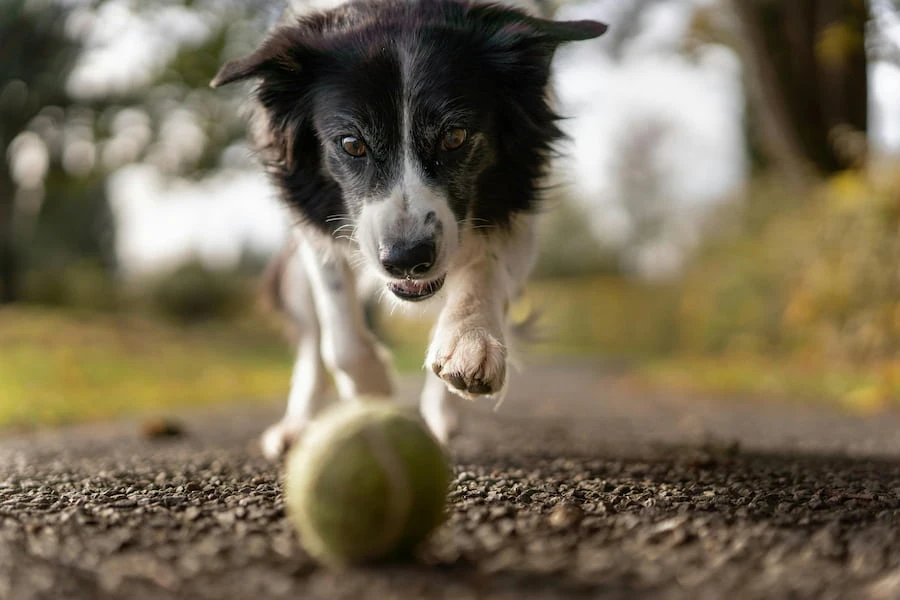
- Playing fetch, using toys, or conducting mini-training sessions during the walk.
- Varying routes and environments to expose the dog to new stimuli and situations.
Mental stimulation prevents boredom, reduces destructive behaviors, and increases happiness.
- Allowing the dog to sniff and explore freely, as the sense of smell is their main tool for learning.
- Introducing simple challenges such as changes in direction, obstacles, or obedience exercises.
- Playing fetch, using toys, or conducting mini-training sessions during the walk.
- Varying routes and environments to expose the dog to new stimuli and situations.
Mental stimulation prevents boredom, reduces destructive behaviors, and increases happiness.
Socialization and interaction with dogs and people
Walks are perfect opportunities for socialization:
- Gradually introduce the dog to other dogs and people, ensuring controlled and positive interactions.
- Supervise behavior and reinforce friendly or calm conduct.
- Teach courtesy rules, such as greeting without jumping or excessive barking.
- Adapt socialization to the dog’s temperament, age, and previous experiences.
Socialization during walks prevents fear, aggression, and anxiety, fostering a balanced, confident, and secure dog.
- Gradually introduce the dog to other dogs and people, ensuring controlled and positive interactions.
- Supervise behavior and reinforce friendly or calm conduct.
- Teach courtesy rules, such as greeting without jumping or excessive barking.
- Adapt socialization to the dog’s temperament, age, and previous experiences.
Socialization during walks prevents fear, aggression, and anxiety, fostering a balanced, confident, and secure dog.
Reinforcing obedience during walks
A quality walk is also a time to reinforce basic commands and obedience habits:
- Practice “heel,” “sit,” “stay,” or “come” during the walk.
- Reinforce with treats, praise, and petting when the dog correctly follows commands.
- Alternate moments of controlled freedom with obedience exercises to balance fun and discipline.
- Avoid leash pulling and maintain constant communication to strengthen the owner-dog relationship.
This improves control, safety during the walk, and reinforces positive habits in daily life.
- Practice “heel,” “sit,” “stay,” or “come” during the walk.
- Reinforce with treats, praise, and petting when the dog correctly follows commands.
- Alternate moments of controlled freedom with obedience exercises to balance fun and discipline.
- Avoid leash pulling and maintain constant communication to strengthen the owner-dog relationship.
This improves control, safety during the walk, and reinforces positive habits in daily life.
Safety and well-being during walks
For a walk to be quality, safety is essential:
- Use appropriate leash and harness to prevent injury or escapes.
- Avoid streets with heavy traffic or dangerous surfaces.
- Supervise interactions with other dogs, people, and unfamiliar objects.
- Adjust duration and activity according to temperature, humidity, and the dog’s condition.
- Bring water and ensure the dog is hydrated and comfortable.
Physical and emotional well-being during the walk ensures a positive and enriching experience.
- Use appropriate leash and harness to prevent injury or escapes.
- Avoid streets with heavy traffic or dangerous surfaces.
- Supervise interactions with other dogs, people, and unfamiliar objects.
- Adjust duration and activity according to temperature, humidity, and the dog’s condition.
- Bring water and ensure the dog is hydrated and comfortable.
Physical and emotional well-being during the walk ensures a positive and enriching experience.
Common mistakes that reduce walk quality
Frequent mistakes that reduce walk effectiveness include:
- Walking the dog only to eliminate, without exploration or play.
- Monotonous walks always on the same route.
- Ignoring signs of fatigue, stress, or fear.
- Improper leash handling, causing tension or insecurity.
- Not using opportunities for socialization or mental stimulation.
Avoiding these mistakes ensures each walk is truly beneficial for the dog’s health and happiness.
- Walking the dog only to eliminate, without exploration or play.
- Monotonous walks always on the same route.
- Ignoring signs of fatigue, stress, or fear.
- Improper leash handling, causing tension or insecurity.
- Not using opportunities for socialization or mental stimulation.
Avoiding these mistakes ensures each walk is truly beneficial for the dog’s health and happiness.
Final recommendations for a quality walk
To ensure a quality walk:
- Adapt frequency, duration, and intensity to age, breed, size, and energy level.
- Combine physical exercise, mental stimulation, and socialization in every outing.
- Reinforce obedience and positive habits during the walk.
- Observe body language and stress or fatigue signals, adjusting activity as needed.
- Maintain consistency while varying routes and environments to enrich the experience.
Following these guidelines transforms daily walks into a tool for holistic well-being, balanced development, and strengthening the bond between dog and owner.
- Adapt frequency, duration, and intensity to age, breed, size, and energy level.
- Combine physical exercise, mental stimulation, and socialization in every outing.
- Reinforce obedience and positive habits during the walk.
- Observe body language and stress or fatigue signals, adjusting activity as needed.
- Maintain consistency while varying routes and environments to enrich the experience.
Following these guidelines transforms daily walks into a tool for holistic well-being, balanced development, and strengthening the bond between dog and owner.